
Fall rewrites the rules of patio dining. In July, a table outside is about shade and something cold. By mid-October it is about a warm corner, the last of the afternoon sun, and food that still tastes good when the air turns sharp. The Glen has more outdoor seating than a neighborhood this size has any right to, and the patios are far from interchangeable. A few have heaters that genuinely work and kitchens that stay busy after dark. Others are wonderful at noon and cold and empty by five.
What follows is a comparison built on the four things that actually decide whether you enjoy yourself: what's on the menu, how the patio is heated, when it's really open, and how easy it is to bring a kid along.
The four things that decide it
Menu first. A shoulder-season menu tells you whether a kitchen is thinking about its patio at all. If the outdoor menu is still built on salads, chilled plates, and drinks over ice, you'll eat quickly and leave. Look for soups, braises, roasted vegetables, warm sandwiches, cider, and anything that arrives in a bowl or a cast-iron pan.
Heat second, and ask specifics. "Heated patio" can mean anything from a serious bank of overhead lamps to a single propane tower that runs out at seven. Call and ask what kind of heat, how many units, and whether there's a windbreak. A wall, a hedge, or a glass panel on the windward side does more for comfort than any lamp on a pole.
- Overhead lamps: instant warmth for head and shoulders, close to useless in a breeze.
- Fire pits: social and genuinely hot, but only on the side facing the flames.
- Blanket baskets: a good sign. It means the staff expects people to linger.
- Nothing at all: perfectly nice at two in the afternoon, miserable at seven.
Hours third. Patios often close earlier than dining rooms once the season shifts, and some stop seating an hour before the kitchen does. A patio that was open until late in September may be wrapping up at dusk now.
Kids fourth. Space matters more than a kids' menu. Room for a stroller, a table that isn't perched at the curb, and a short walk to the door count for a lot when the temperature drops.
Maple Street: the dependable middle
Maple Street has the widest run of sidewalk seating in The Glen, and it's where most people land because it's the easiest to plan around. Two spots anchor the block.
Cedar & Vine
This is the most comfortable cold-weather patio in the neighborhood. The fire pit does real work, there are blankets stacked by the door, and the kitchen runs a full menu outside rather than a pared-down version. Ask for a table against the building wall: those seats are the warmest and quietest, while the two-tops nearest the street catch every passing breeze. Weekend evenings fill up, so a reservation saves you a wait. Best for a long, unhurried dinner with adults.
The Half Pint
South-facing, which means it catches sun from late morning until mid-afternoon — on a bright, cold day this is the best lunch patio in The Glen. The menu is shorter and the service is quicker, and there are high chairs plus enough room between tables for a stroller. An early dinner works well here too. Once the sun drops behind the buildings, the patio empties fast, so plan accordingly rather than hoping to stretch the evening. Ask for a table away from the door, which gets a draft every time it opens.
By the water: gorgeous until the wind picks up
The riverside stretch, anchored by The Slipway, has the prettiest tables in the neighborhood and the shortest comfortable season. It faces west, the sky opens up, and sunsets are the reason people come. It is also where the wind lives. No lamp wins against a breeze coming off the water, and a fifty-degree evening by the river feels considerably colder than the same evening two blocks inland.
The practical approach: go at lunch, or in the first hour of the evening and no later. Sit on the inland side, behind the building or the glass windbreak, and skip the front row even if it's offered. The menu suits the setting — chowder, fried fish, warm sandwiches, a decent cider list. Dress a grade warmer than you think you need, and if you're with a toddler who likes to climb, request a table well back from the railing.
The morning patios
Foundry Coffee and Cora's Bake Shop both face east, which means sun from early on and a genuinely pleasant half hour before the rest of the block wakes up. Neither has heat, and neither is built for a long sit. That's fine — they do a different job. Foundry has a bench wall and a steady stream of regulars; Cora's sets out a handful of small tables and sells out of pastries well before noon.
Go mid-morning, once the sun clears the buildings, and treat it as a twenty-minute stop with a cup in hand rather than a destination meal. Weekends get crowded between the brunch hours, so arriving before or after that window is the difference between a table and a lap.
Bringing kids: what actually works
- Cedar & Vine: high chairs, stroller room at the wall tables, and a fire pit that will fascinate a five-year-old. Ask for a table a step back from the flames.
- The Half Pint: the best all-round option — sun, speed, space, and an easy exit when someone melts down.
- The Slipway: fine at lunch, less so after five. Sit away from the railing and bring a layer for everyone.
- Foundry and Cora's: low-commitment stops. Good for a snack reset, not for a meal that needs to last an hour.
Two habits make any of these easier: book the earliest seating rather than the most convenient one, and order the kids' food at the same time as your drinks so it lands first. A blanket in the bag is never wasted.
Before you go
Patio hours move quickly in fall, so a two-minute call beats a wasted trip. Ask three questions: is the patio open tonight, is it heated and how, and do you take walk-ins after a certain hour?
Then plan around the sun rather than the clock. Lunch on a south-facing patio and an early dinner at a fire pit will beat almost any seven o'clock table in October. If you're set on the water, make it a midday trip and sit behind the windbreak. And when you leave, tip as you would indoors — the person carrying your hot food through a cold doorway is doing more work than the room temperature suggests.
One more thing worth doing: tell the staff you're there because the patio is open. In shoulder season, the places that keep their outdoor tables going are making a bet on the neighborhood. Sitting down is how you win it for them.
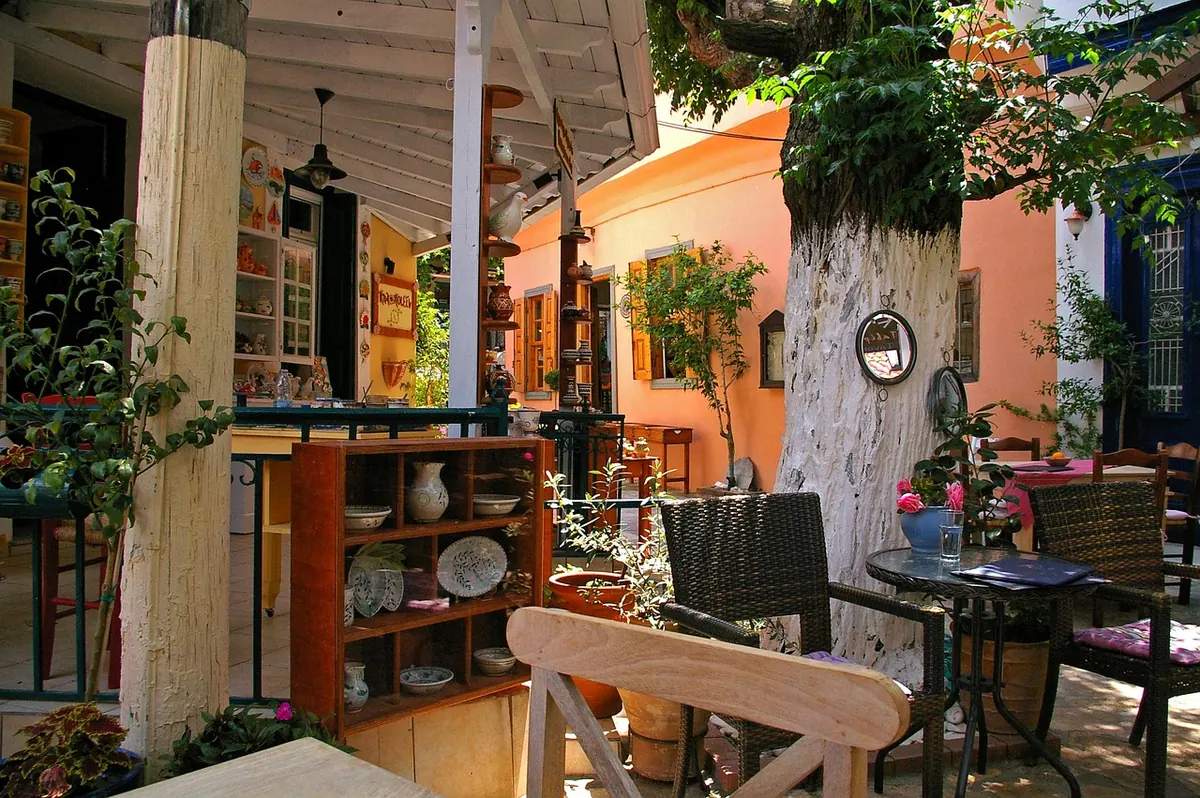
Photo: KRiemer / Pixabay